The first step in proper bookkeeping is creating checklists for regular accounting tasks like updating cash flow forecasts and inputting receipts. This can help prevent errors that could impact your bottom line.
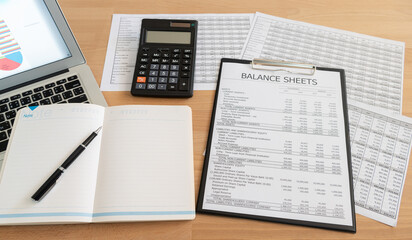
Another important aspect of bookkeeping is making adjusting journal entries for prepaid expenses and income and depreciation. These are important for balancing your finances and preparing for tax season.
Bookkeeping services
Bookkeeping services are an important component of a small business’s accounting system. They provide accurate financial records and allow the company to track its growth over time. They also help with tax preparation and planning. In addition, they can assist with payroll and other administrative tasks. In order to get the most out of your bookkeeping service, look for an experienced team with a strong background in accounting.
A good bookkeeper will keep all your financial documents organized and easy to find. They will use folders, digital filing systems, or accounting software to organize and store your documents. They will also ensure that your accounts are balanced. This is done by checking your general ledger against your bank and credit card statements. This is known as reconciliation and helps ensure that all of your transactions have been recorded accurately.
Bookkeepers record daily financial transactions in a company’s general ledger for use by accountants for higher-level accounting operations. The information they maintain includes customer billing, vendor payments, cash transactions, and employee wages. These data points help inform the finance teams of a company’s performance and trends. Competent bookkeepers make sure all of the data they generate complies with federal tax codes and industry regulations. This translates into better reporting and compliance for the company. It also allows the finance team to be confident in the data they are using for forecasting and planning.
Payroll services
Managing payroll, recording invoices, and filing taxes are important for any business. However, these tasks can be overwhelming for small businesses. Hiring a professional bookkeeper can save time and money, as well as increase business productivity. When choosing a bookkeeping service, look for one that offers cloud-based computing and automated processes. This will ensure that your financial data is secure and accurate. Additionally, look for a provider that has a dependable support team and will answer questions promptly.
A good online bookkeeping service should also offer flexible pricing, and the cost should be clear up front. Some providers charge a flat fee or price per employee, while others may charge add-ons for services like tax filing and year-end preparation. Make sure you understand the pricing structure of each provider, and ask about error resolution and liability policies.
Another area of accounting is accounts payable, which involves paying the money that a company owes to vendors and suppliers. A bookkeeper can help you manage your accounts payable by tracking payments, creating vendor invoices, and maintaining a record of payment history. This will help you keep track of your cash flow and will ensure that your bills are paid on time.
Lastly, a good bookkeeping service will ensure that your company adheres to generally accepted accounting principles (GAAP). GAAP is a set of accounting rules that companies must follow to be transparent and truthful in their reporting.
Tax preparation services
Bookkeeping is an essential part of the accounting process, ensuring that financial transactions are accurate, organized, and up to date. It also provides key insights that can help a business make informed decisions. For example, a business that keeps detailed records of deductible expenses can reduce its tax liability.
The main difference between bookkeeping and accounting is that accountants take a more strategic, big-picture approach to financial analysis. They analyze and interpret the information prepared by bookkeepers to generate budgets, financial statements, tax returns, and other high-level reports for business stakeholders. Bookkeepers primarily focus on day-to-day tactical tasks, logging and tracking a company’s financial transactions and ensuring that records are clear, accurate and up to date.
In addition to preparing taxes, accurate and up-to-date records can help businesses plan for future expenses. This is especially important for small businesses, which often have limited resources and are competing with larger business companies. Using a reputable bookkeeping service can help businesses stay competitive and increase their chances of success.
Although a college degree is not required for bookkeepers, it can improve job prospects and boost employment opportunities. An associate’s or bachelor’s degree in accounting, finance, or business can also help an individual stand out among candidates for a role as a bookkeeper. In addition to formal training, a bookkeeper should be familiar with local and federal tax codes and regulations.
Accounting software
Accounting software can help you manage your company’s financials and make more informed business decisions. It can simplify accounting processes and reduce manual data entry. It can also automate invoicing and keep track of expenses and payments, saving you time and money. It can also be used to prepare tax returns and forecast your profitability. It can be customized to meet your specific requirements and can include features like source document verification.
The type of accounting software you choose will depend on the size and needs of your company. Many businesses use commercial accounting software like Xero or QuickBooks to record their financial transactions. These off-the-shelf solutions are typically easy to use with user-friendly interfaces and dashboards but lack the scalability and complexity required by professional accountants.
If you choose to use a cloud-based accounting system, it will allow you to store your data securely on a remote server. This will save you the cost of maintaining in-house hardware and ensure that your data is always accessible, even in case of a computer crash. It is a great option for small businesses that don’t want to deal with the hassle of physical storage or filing paperwork.
The best accounting systems can also help you improve your customer and vendor relationships. They can automate invoices and reminders and allow you to categorize expenses by category, allowing you to keep track of your spending. They can also help you generate reports and forecasts to support your growth strategy.