Water damage can disrupt a home in an instant, leaving behind not only physical destruction but also financial uncertainty. Whether the damage stems from a burst pipe, appliance failure, or severe weather conditions, homeowners are often left wondering how much of the restoration cost will be covered by insurance. Understanding how insurance applies to water damage restoration projects is essential for navigating the recovery process efficiently and minimizing out-of-pocket expenses.
Insurance policies can be complex, with specific terms, exclusions, and limitations that directly impact coverage. While many homeowners assume their policy will automatically cover any water damage, the reality is more nuanced. Knowing what is typically covered, what is excluded, and how to properly file a claim can significantly affect the outcome of a restoration project. Uncover more at https://www.allproutah.com.
Understanding the Basics of Water Damage Coverage
Most standard homeowners’ insurance policies provide coverage for sudden and accidental water damage. This typically includes incidents such as burst pipes, overflow from appliances, or unexpected plumbing failures. In these cases, insurance is designed to help cover the cost of repairs, restoration, and sometimes even temporary living expenses if the home becomes uninhabitable.
However, not all water damage is treated equally. Insurance policies often distinguish between sudden events and gradual damage. Issues that develop over time, such as slow leaks, poor maintenance, or long-term wear and tear, are usually excluded from coverage. This distinction is critical, as it determines whether a claim will be approved or denied.
Homeowners should carefully review their policy to understand the scope of coverage and identify any limitations that may apply to their specific situation.
Common Exclusions in Water Damage Policies
While insurance can provide valuable financial support, it is important to be aware of common exclusions that may affect water damage claims. These exclusions are often outlined in the policy and can vary depending on the provider and level of coverage.
Typical exclusions include:
- Flood damage, which is usually not covered under standard policies and requires separate insurance.
- Neglect or lack of maintenance, such as failing to repair known leaks or damaged roofing.
- Sewer backups, unless additional coverage or endorsements are included in the policy.
Understanding these exclusions helps homeowners avoid surprises during the claims process and allows them to take proactive steps to secure additional coverage if needed.
The Importance of Immediate Action
One of the most critical factors in a successful insurance claim is the speed of response. Insurance providers expect homeowners to take reasonable steps to mitigate damage as soon as it occurs. Delaying action can worsen the situation and may even result in reduced or denied claims.
Immediate steps to take after water damage include:
- Stopping the source of water, if it is safe to do so.
- Documenting the damage, including photos and videos of affected areas.
- Contacting the insurance provider promptly to report the incident and begin the claims process.
Taking these actions demonstrates responsibility and helps establish a clear timeline of events, which is essential for claim evaluation.
Documenting Damage for a Strong Claim
Accurate documentation is one of the most important aspects of filing an insurance claim for water damage restoration. Without proper records, it can be difficult to prove the extent of the damage or justify the costs of repairs.
Homeowners should create a detailed record of the incident, including:
- Photographs and videos, capturing both the overall damage and specific details.
- Inventory of damaged items, including descriptions, estimated values, and purchase receipts if available.
- Repair estimates and invoices, provided by restoration professionals.
This level of documentation provides clear evidence for the insurance company and helps streamline the claims process. It also reduces the likelihood of disputes over coverage or compensation.
Working with Insurance Adjusters
After a claim is filed, an insurance adjuster is typically assigned to assess the damage and determine the amount of coverage. The adjuster’s evaluation plays a significant role in the outcome of the claim, making it important for homeowners to be prepared.
During the inspection, homeowners should provide all relevant documentation and be ready to answer questions about the incident. It is also beneficial to have a clear understanding of the policy’s coverage limits and exclusions, as this helps set realistic expectations.
In some cases, homeowners may choose to seek additional assessments from independent professionals to ensure that all damage is properly identified and accounted for. This can be particularly helpful in complex restoration projects where hidden damage may be present.
Understanding Coverage Limits and Deductibles
Every insurance policy includes coverage limits and deductibles, which directly impact the amount of compensation a homeowner receives. Coverage limits define the maximum amount the insurer will pay for a claim, while deductibles represent the portion of the cost that the homeowner must pay out of pocket.
It is important to review these details before starting a restoration project. Understanding the financial parameters of the policy allows homeowners to plan accordingly and avoid unexpected expenses.
For example, if the cost of restoration exceeds the coverage limit, the homeowner will be responsible for the difference. Similarly, higher deductibles may reduce the amount of reimbursement, affecting the overall financial outcome.
Additional Living Expenses Coverage
In cases where water damage renders a home temporarily uninhabitable, many insurance policies include coverage for additional living expenses. This may cover costs such as temporary housing, meals, and other necessary expenses incurred during the restoration process.
This type of coverage can provide significant relief during a stressful time, allowing homeowners to focus on recovery without the added burden of unexpected living costs. However, it is important to understand the limits and duration of this coverage, as policies may impose restrictions.
The Role of Professional Restoration Services
Working with professional water damage restoration services can greatly improve the insurance claims process. These professionals are experienced in assessing damage, providing detailed estimates, and documenting the restoration process in a way that aligns with insurance requirements.
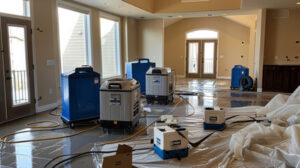
They often use specialized equipment to detect hidden moisture and ensure thorough drying, which can prevent additional damage and support the claim. Their expertise also helps ensure that repairs are completed to a high standard, reducing the likelihood of future issues.
In many cases, restoration professionals can communicate directly with insurance providers, helping to streamline the process and reduce the burden on the homeowner.
Avoiding Common Insurance Mistakes
Navigating insurance claims can be challenging, and homeowners often make mistakes that can negatively impact their coverage. Being aware of these pitfalls can help ensure a smoother process.
Common mistakes include:
- Failing to report damage promptly, which can lead to claim denial.
- Inadequate documentation, making it difficult to prove the extent of damage.
- Assuming all water damage is covered, without reviewing policy details.
Avoiding these mistakes requires careful attention to detail and a proactive approach to managing the claims process.
Planning for Future Protection
While insurance provides financial support after water damage, prevention remains the most effective strategy. Homeowners should consider taking steps to reduce the risk of future incidents and ensure adequate coverage.
Preventative measures include regular maintenance of plumbing systems, installing leak detection devices, and inspecting roofing and drainage systems. Additionally, reviewing and updating insurance policies periodically ensures that coverage remains aligned with the home’s needs.
Investing in preventative measures not only reduces the likelihood of damage but also strengthens the homeowner’s position when filing future claims.
Conclusion
Water damage restoration projects can be both physically and financially demanding, making insurance considerations a critical part of the recovery process. Understanding policy coverage, exclusions, and claim procedures empowers homeowners to navigate these challenges with confidence.
From documenting damage and working with adjusters to understanding coverage limits and avoiding common mistakes, each step plays a vital role in achieving a successful outcome. By combining prompt action with informed decision-making, homeowners can maximize their insurance benefits and minimize financial strain.
Ultimately, insurance is not just a safety net—it is a strategic tool that supports recovery and protects long-term investment. With the right knowledge and preparation, homeowners can ensure that they are fully equipped to handle water damage restoration projects and safeguard their homes for the future.