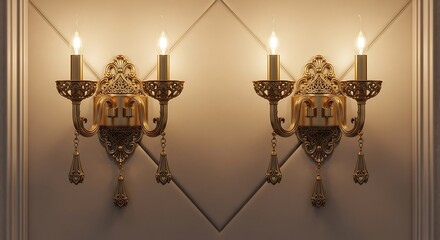
How to Choose the Perfect Candle Wall Sconce for Style and Ambiance

Candle Wall Sconce

There is something undeniably captivating about the soft glow of candlelight dancing across a wall. It creates a warm and inviting atmosphere that no electric light can fully replicate. Candle Wall Sconce brings this timeless charm into your space, blending function with decorative appeal. Whether you want to enhance a cozy corner or add elegance to a hallway, these fixtures offer a simple yet powerful way to transform your interior.

What Is a Candle Wall Sconce

A candle wall sconce is a decorative fixture mounted on a wall that holds one or more candles. Unlike traditional lighting, it relies on real or decorative candles to produce light. These sconces have been used for centuries and continue to be popular for their aesthetic appeal.

They come in various styles, from classic designs with ornate details to modern options with clean lines. Some are designed to hold real candles, while others use flameless alternatives for convenience and safety. Regardless of the type, candle wall sconces add a unique visual element that enhances the overall atmosphere of a room.

Why Choose Candle Wall Sconces

Candle wall sconces offer a distinct type of lighting that is both functional and decorative. One of their main advantages is the ambiance they create. The soft flicker of candlelight can make a space feel more relaxing and intimate.

They are also versatile. Candle wall sconces can be used in living rooms, bedrooms, hallways, and even bathrooms. Their ability to complement different styles makes them a popular choice for various interior designs.

Another benefit is their ability to act as statement pieces. A well chosen sconce can serve as a focal point, drawing attention and adding character to your walls. Whether you prefer a rustic look or a more refined design, there is a sconce to match your vision.

Popular Styles and Designs

Candle wall sconces are available in a wide range of styles to suit different preferences. Traditional designs often feature intricate metalwork and curved shapes, creating a sense of elegance and history. These are ideal for spaces that embrace a classic aesthetic.

Modern sconces focus on simplicity and minimalism. Clean lines and neutral finishes make them a great fit for contemporary interiors. These designs often emphasize functionality while maintaining a sleek appearance.

Rustic styles bring a more natural and cozy feel. Materials such as wood and distressed metal are commonly used, adding warmth and texture to the space. These sconces work well in settings that aim for a relaxed and inviting atmosphere.

There are also artistic and decorative options that feature unique shapes and creative details. These designs can serve as conversation pieces and add a personalized touch to your decor.

How to Choose the Right Sconce

Selecting the right candle wall sconce involves considering both style and practicality. Start by evaluating the space where the sconce will be placed. The size and layout of the room can influence the type of fixture that works best.

Think about the overall design of your interior. Choosing a sconce that complements your existing decor helps create a cohesive look. Matching finishes and materials can enhance the visual harmony of the space.

Functionality is also important. Decide whether you prefer real candles or flameless options. Real candles provide an authentic glow, while flameless versions offer convenience and reduced maintenance.

Placement plays a key role as well. Proper positioning ensures that the sconce provides the desired effect without overwhelming the room. Consider height, spacing, and proximity to other elements when making your decision.

Ideal Placement for Maximum Impact

The placement of candle wall sconces can significantly affect their impact. In living areas, they can be used to frame artwork or highlight architectural features. Placing them on either side of a focal point creates balance and symmetry.

In bedrooms, sconces can serve as soft lighting near the bed. This adds a cozy and relaxing ambiance without the harshness of overhead lighting. Hallways are another great location, where sconces can guide the way while enhancing the overall design.

Bathrooms can also benefit from candle wall sconces, especially when aiming for a spa like atmosphere. The gentle glow can create a calming environment that enhances relaxation.

Spacing is important to avoid overcrowding. Ensuring that each sconce has enough room to stand out helps maintain a clean and organized look.

Safety and Maintenance Considerations

While candle wall sconces are beautiful, safety should always be a priority. If you choose to use real candles, make sure they are placed securely and away from flammable materials. Never leave burning candles unattended.

Regular maintenance is also essential. Cleaning the sconce helps maintain its appearance and ensures that it functions properly. Removing wax buildup and dust keeps the fixture looking its best.

For those who prefer a safer option, flameless candles provide a practical alternative. They offer a similar visual effect without the risks associated with open flames. This makes them ideal for households with children or pets.

Taking these precautions allows you to enjoy the beauty of candle wall sconces while minimizing potential hazards.

Enhancing Your Decor with Candle Wall Sconces

Candle wall sconces can be used creatively to enhance your decor. Pairing them with mirrors can amplify the glow and make a space feel larger. Combining different styles can also create an interesting visual contrast.

Layering lighting is another effective approach. Using sconces alongside other light sources helps create depth and dimension in a room. This combination allows you to adjust the mood based on your needs.

Seasonal decorations can also be incorporated. Changing candles or adding decorative elements around the sconce can refresh the look throughout the year. This flexibility makes candle wall sconces a versatile addition to any home.

Conclusion

Candle wall sconces offer a timeless way to bring warmth, elegance, and character into your space. Their ability to combine function with decorative appeal makes them a valuable addition to any room.

By choosing the right style, placement, and type of candle, you can create an atmosphere that reflects your personal taste. Whether you are aiming for a cozy retreat or a refined setting, candle wall sconces provide a simple yet impactful solution.

With thoughtful selection and proper care, these fixtures can enhance your home and create a welcoming environment that you can enjoy every day.

What to Expect During a Pest Inspection

What to expect during a professional pest inspection

Pests are masters at hiding, but they leave behind telltale clues. For example, pencil-thin mud tubes on a foundation wall indicate termite activity or wood shavings in the window sill may be carpenter ant nesting material.

A well-prepared inspector can spot these warning signs before they cause significant damage. Clear, professional reports also build trust with clients and ensure that recommended treatments are taken seriously. Click Here to learn more.

Preparation

Inspecting a property for pests is a crucial step in the home-buying process, and many mortgage lenders stipulate that a pest inspection must be done before lending money. Pest inspections aren’t just a cursory glance around the exterior of a home; they are detailed examinations conducted by trained experts. These experts look at every area of the property, including examining walls and floors inside the structure for signs of pest activity as well as checking roof spaces, subfloor areas and more. They also comb the yard, looking at ant hills, rodent burrows and other potential pest harborage sites.

Preparing your home before the inspector arrives can help ensure that they can get into all the nooks and crannies where pests lurk. For example, clear out items from under sinks, in closets and other cluttered spaces to give the team easier access. In addition, you should move any large furniture or appliances away from the walls to allow them to inspect for termite entry points and other pest-related problems. Lastly, trim overgrown shrubbery and clear away leaf litter that can provide pests with shade and cover while they nest and feed.

While a professional can spot some of the more obvious signs of pests, such as droppings or chewed food packages, they are often looking for subtle indicators, such as gnaw marks on wood and other materials. These little clues can indicate a persistent problem, rather than a one-time issue, and they are an essential part of the pest inspection process.

After the inspection is complete, the technician will provide you with a detailed report of their findings. This report will also include suggestions for pest control treatments and preventive measures. It is important to review the report and understand what the recommendations mean, so that you can take action to protect your home.

Once treatment begins, it is common to see increased pest activity for a few days or weeks as they leave their hiding spots. This is normal and a good sign that the pests are responding to the treatment. It is recommended that you seal up any open entrance points in your home to prevent pests from re-entering after the treatments have been applied, such as holes in doors or windows, and gaps around pipes, wires and foundation areas.

Inspection

A pest inspector examines the interior and exterior of a property, looking for signs of infestation. This may include examining wood damage from termites, checking rodent droppings, or identifying ant trails. It can also involve assessing conditions that facilitate infestation, such as wood-to-soil contact or moisture issues. During the inspection, the inspector may recommend corrective measures to prevent or remove existing pests and to protect against future pest infestations.

A professional pest inspection is a necessary step before purchasing any home, since it can reveal problems that could affect the home’s value and safety. It may be required by mortgage lenders, as well. In addition to visual observation, a trained pest inspector often uses specialized tools like thermal imaging cameras that detect heat signatures within walls.

The inspection typically begins with a thorough examination of the interior of a property, including pantries, closets, attics, garages, and storage spaces. The technician checks window and door frames, soffit vents, plumbing areas, and any wooden elements or items stored in the basement or attic. It is important for the inspector to have unobstructed access to every area of a property, which can sometimes mean moving furniture or boxes temporarily.

Specialized instruments are used to detect chemical traces of specific pests, such as mud tubes for termites or sawdust-like frass for carpenter ants. This enables the inspector to locate hidden colonies and nests, which can be difficult to spot. Inspectors also check for other indications of pest activity, such as gnawing marks and droppings.

Moisture issues are another common factor that can attract pests, and inspectors use a moisture meter to assess wood integrity. Inspectors might also probe suspected areas with screwdrivers to feel for softness or hollowness that indicates infestation. Finally, a trained inspector will look for any conditions conducive to pests, such as a lack of ventilation and damp spots.

After the inspection, a qualified pest control expert will develop a plan to treat and monitor the property. This may include immediate actions and long-term strategies for pest prevention, and can range from chemical treatments to more natural alternatives.

Report

A pest inspection isn’t just a quick walk-through of the property, it’s an in-depth examination by a licensed inspector or pest control professional. They check for signs of pests and the damage they’ve caused, and also look for potential infestation hot spots and entry points.

If they find pests, the inspector will create a plan for treatment and follow up. They may recommend a specific treatment method, which can vary depending on the type of pest and its location. This may include treating specific areas or treating the entire property. A pest control expert can help you understand your options for treatment and how they will affect your home’s value.

While a pest inspection can seem like an unnecessary expense, it’s actually a wise investment for any homeowner or prospective buyer. It’s much like a health check-up for your home, and it can save you thousands in pest repairs down the road.

Getting a pest inspection is often required before purchasing a new home, and mortgage lenders can stipulate that a pest inspection is necessary. It’s also a smart move for current homeowners, as it allows them to identify and treat pest issues before they become more severe.

To prepare for a pest inspection, you can remove items stored under sinks, and make sure there’s clear access to crawl spaces and basements. You can also move plants and mulch away from the foundation, as termites often enter through these areas. You should also ensure that all drains are free of debris and working properly.

Outside, the pest inspector will examine the exterior walls for cracks, gaps, and other openings that pests can use to enter the house. They’ll also inspect the roof, gutters, and foundation for evidence of pest activity. Finally, they’ll assess the outdoor areas for possible attractants and harborage areas, such as overgrown plants or woodpiles.

Once the pest inspection is complete, the inspector will provide a detailed report to the homebuyer or seller. They will go over the findings, including the types of pests found, the extent of their damage, and recommendations for treatment. They will also talk about any additional risk areas that might be of concern, and suggest steps to mitigate these risks.

Follow-Up

The follow-up phase of a pest inspection involves identifying and treating any problems found. Depending on the type of pests found, this may include spraying, trapping, baiting or chemical treatments. The pest control technician also monitors the area to ensure that the treatment is effective and addresses any ongoing pest issues. If pests return, the technician will re-treat those areas to eradicate the problem.

A pest infestation can be harmful to a homeowner and their family. It can spread disease, contaminate food, cause structural damage and trigger allergies. Pests can also cause fire hazards by gnawing on electrical wires. Routine pest inspections can identify these risks early on, so the pests are treated before they have a chance to grow and spread throughout a home.

Pest-related issues can be costly to repair. Homeowners may not be able to get their insurance provider to cover the cost of extermination and repairs, or they might have to pay out-of-pocket. Pest inspections can save homeowners money in the long run by identifying and addressing potential pest infestations before they become severe.

During the home pest inspection, the professional looks at both the interior and exterior of the property. They check for signs of a pest infestation, including droppings, chewed materials and webs. They also look for cracks or gaps in walls, attics and basements that allow pests to enter the home. Outside, they inspect the roof and gutters, foundation and vegetation.

Many lenders require a pest inspection report before approving a mortgage. The inspection provides a clear picture of the condition of the property, and can help speed up the lending process. As a buyer, a pest inspection can also give you confidence in your purchase. It will identify any pest-related issues that can be expensive to fix and allow you to negotiate with the seller to lower the price of a property if significant damage is found.

A pest infestation can be difficult to spot, particularly if the pests are hidden behind walls or inside furniture. You can prevent pests from invading your home by clearing away clutter, storing food in airtight containers and ensuring that pet food is stored securely.