
The Difference Between Lawn Care and Landscaping Services

Landscaping

When searching for a landscaping company, be sure to ask if they also handle lawn care. Lawn care covers basic upkeep services, including mowing, edging, blowing, fertilization and weed control.

Oahu Landscaping transforms outdoor areas through plantation, construction or reorganizing. This includes the installation of new architectures, plants and structures.

Weed Control

Weed control refers to a variety of techniques and products that can be used to reduce the growth of unwanted plants in and around your yard. Weed control can be accomplished with manual cultivation (using hand tools, power cultivators or hoes), mechanical control methods such as mowing, weed whacking and rototillering, smothering with mulch, lethal wilting using high heat, competition with other species, competitive planting, abiotic controls such as shading and mowing height, and chemical control via herbicides.

Most lawn care services include weed control as part of their package. However, there are a few extra weed control service add-ons that can be offered to clients to enhance their lawn’s appearance even more.

Fungicide treatments are a great way to prevent the many diseases that can ruin grasses. These fungicides are applied as a spray or liquid to the turf and are typically used in the spring, summer and fall seasons.

Mulching is a popular lawn care add-on to help with weed control. It can be organic, synthetic or living and is used to cover the soil to prevent sunlight from reaching bare spots. This can also be done as a pre-emergent weed control to stop weeds from sprouting.

Another popular weed control option is overseeding. Overseeding is a technique that spreads grass seed over the existing lawn to fill in bare patches and make it thicker. This is often paired with aeration for best results.

If weeds are thriving in your lawn, it may be an indication of poor soil conditions. Having your soil tested can help you understand what type of weed control measures to take.

In farming, weeds are the undesirable plants that compete with productive crops or pasture for nutrients and space. Farmers use manual, mechanical or chemical methods to remove these weeds from their fields. They can be toxic or unpleasant to livestock, produce burrs and thorns that interfere with harvesting, or they may be an environmental threat by interfering with other desirable crops and contaminating food. Managing weeds is a complex task, and the methods available are not exhaustive. They should be chosen on a case-by-case basis for a particular production system, region and crop.

Fertilization

The lawn needs a steady supply of nutrients to stay lush and green. A lawn care service can ensure your turf is getting what it needs with regular fertilization treatments. This preventative measure keeps the grass healthy and strong while battling weeds and preventing pest infestations.

Fungicide treatments can also be provided by a lawn care company in order to treat and eradicate common lawn diseases like brown spot, summer patch and leaf spot. Many lawn care services will also offer aeration, which helps reduce thatch and promotes deeper root growth by pulling up small soil particles. Overseeding is another popular lawn service that will help repair bare spots and thicken a lawn in the fall or spring.

Lawn care companies can also perform yard cleanups and yard edging, which creates clean lines around sidewalks, driveways, flower beds, fences, trees and other landscaping features. Mulching is another popular lawn care service that adds a layer of protection to soil while moderating soil temperature and improving moisture retention. It also improves curb appeal and can keep weeds under control in garden beds.

Landscaping is a much more involved process since it includes planting new trees, flowers and shrubs while installing hardscapes and designing garden features. The primary goal of landscape design is to transform a property by creating a visually appealing outdoor space.

Landscapers are trained in understanding the local microclimate, biology behind plants and shrubs, soil conditions and more. This allows them to plant the right plants for your property, increasing the chance of success and ensuring a vibrant garden that will flourish with minimal maintenance.

Because of the broader scope and deeper expertise required for landscaping, it’s usually more expensive than basic lawn care services. However, many landscapers offer bundled plans that can help you save on essential lawn care and landscaping services. Landscaping also tends to take longer than lawn care, as projects can sometimes be months or even years in the making. That’s why it’s important to choose a reputable and experienced landscaper when enlisting their services.

Pest Control

Lawn care focuses on turf services, including mowing, fertilizing, weed control and more. Landscaping, on the other hand, focuses on transforming outdoor spaces by planting, construction or reorganizing. Landscaping professionals use a broad understanding of microclimate, biology, tools for installing elements like walkways and trees and more to create aesthetically pleasing properties. This type of specialized knowledge is not something that most home and business owners can accomplish with store-bought lawn care products and DIY yard work.

Many companies offering lawn care and landscaping services will bundle their essential offerings into plans, saving property owners on overall costs. For example, a lawn care plan that includes mowing, edging and blowing, and fertilization may cost $50-200 per month, depending on the size of the property. Landscaping installation and design, on the other hand, can cost thousands of dollars—and even reach six figures for larger transformations.

One of the key differences between lawn care and landscaping is the types of pests that are targeted by each service. For example, a lawn care company will likely target the most common pests, such as grubs and mosquitoes, while a landscaping company will be focused on more serious issues, such as tree diseases.

Adding on services like fungicide treatments or spreading grass seed to fill in bare spots can make a big difference for properties that struggle with certain landscape challenges. Lawn aeration is another popular add-on, especially in fall or spring. This process involves making small holes in the soil to allow air, water, and nutrients to better reach the roots of the grass.

Finally, some lawn care services will also offer a mulching option. Mulching involves spreading organic materials, such as wood chips or bark, around the lawn to help with soil health and provide a more manicured appearance. Most landscaping services will not offer mulching, but it’s a popular add-on for lawn care clients that want to take their yard to the next level.

Installation

A lush, green lawn and landscape are the focal point of your property and create a warm and inviting place to entertain guests or relax. Maintaining a beautiful yard requires regular care to prevent overgrowth and keep your outdoor space healthy and functional. Many lawn care companies offer services such as mowing, fertilization, weed control, pest control, seeding, and landscaping. Adding these services to your business will increase clientele and allow you to distinguish yourself from the competition.

Mowing is one of the most popular lawn care services, and homeowners and business owners appreciate taking this chore off their to-do lists. Professional mowers have the proper equipment to get the job done quickly and efficiently, plus they can weed whack and blow off trimmings for a neat, tidy appearance. Weekly mowing during the peak growing season ensures your clients’ grass stays at an optimal height, while keeping it vibrant and healthy.

Planting new shrubs, flowers, or trees is a valuable lawn care service that helps clients achieve their dream garden or to fill in troublesome areas of their yard. Landscapers know how to select and plant the right vegetation for your climate, soil conditions, and sun or shade requirements to guarantee its long-term health and performance.

Lawn aeration is another important lawn maintenance service, as it relieves soil compaction and allows water, oxygen, and nutrients to penetrate deeper into the root zone of your grass. Aerating your lawn with a core aerator or spike aerator punches small holes into the ground, allowing grass roots to absorb nutrients better. This is a recurring service that can be combined with other lawn care offerings, such as overseeding, for year-round revenue potential.

Lime applications are common in many parts of the country, and they help to correct imbalances in your soil’s acidity. By bringing your lawn’s pH closer to neutral, you will help your lawn to thrive and become rich in color. Fertilization of your lawn also helps it to thrive. Using a soil-injected liquid for larger trees and shrubs or a granular fertilizer for shallow-rooted plants, your lawn care company can make sure that your yard is full of life and vibrancy.
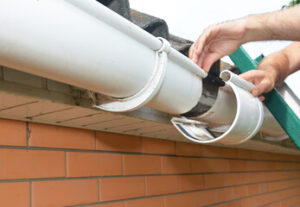
Signs That Your Gutter System Needs Repair

A gutter system is designed to direct roof precipitation safely away from the home. When gutters don’t function properly, homeowners experience a wide variety of complications that often involve thousands in repairs.

Gutter

Regular gutter cleaning can help prevent problems such as overflow, clogging, and leaks. However, some repair work requires professional intervention.

If you notice water puddles, staining or rusting along your gutters and downspouts, or sections of the gutter that are missing, this is a sign that your gutter system needs repair. Damaged gutters are a serious problem and can cause significant water and structural damage to your home over time. If you notice these problems, it is important to repair them as soon as possible.

Gutter systems are typically held in place by sleeve-and-spike supports or fascia brackets nailed to the face of the house and strap hangers nailed to the roof. They may also be fastened with aluminum gutter fasteners or screws. If these fasteners corrode, the gutters will be loose and may fall off. Loose gutters should be repaired as soon as possible, and the fasteners should be replaced.

Gutters are designed to direct rainwater away from your foundation, avoiding soil erosion and basement flooding and protecting your home’s structure and stability. However, damaged gutters can clog or overflow, causing water to pool around the foundation, resulting in severe and costly structural damage. In addition to a damaged foundation, this moisture can lead to mildew growth and rot that can affect the safety of your home’s inhabitants.

Performing frequent visual inspections is the best way to catch gutter problems early. A sagging gutter or isolated section that is loose should be repaired immediately, as this can lead to more extensive and expensive problems in the future.

Leaking or cracking gutters are usually caused by wear and tear over time, and can be exacerbated by harsh weather conditions. A leaky gutter can cause water to seep into the fascia boards or wall of your home, leading to wood rot and structural damage. Gutter leaks are usually easy to spot, as they are often accompanied by a foul smell and visible stains.

In most cases, a leaking gutter can be repaired by using a gutter specific sealant, which is available from your local hardware store or roofing professional. The sealant should be applied to a clean, dry gutter to ensure the sealant adheres properly and creates a strong waterproof barrier. When repairing gutters, it is critical to use stable ladders, and wear protective gear like gloves and safety goggles. It is also recommended to use a buddy system to assist with ladder stability and tools, and to wear non-slip shoes.

Sagging Gutters

Gutters are designed to protect our homes from water damage, but the gutters themselves can experience damage over time. This can lead to sagging gutters, which are not only unsightly but also pose the risk of pulling away from the fascia. Sagging gutters should be repaired as soon as possible to prevent further damage and potentially dangerous water leaks.

If you have sagging gutters, the first step is to determine where the problem area is located. Get up on a ladder and sight along the length of the gutter to check for any loose spikes or hangers that may be contributing to the sagging. The next step is to remove any loose spikes or hangers. If you have used spikes that don’t have threading, you will need to replace them with new ones that are threaded to ensure they stay securely attached to the gutter. You can buy these spikes at your local hardware store. For best results, use the threaded spikes that come with metal ferrules to keep them in place.

You can also add wooden shims to the bottom of each gutter section to help with the sagging. These are available at your local hardware store and are easy to install. If you’re using wood shims, simply cut them to the appropriate length and then apply wood glue to the ends before inserting them into the gutter. You can also add epoxy to the shims to help them stay in place and reinforce the gutter system.

It’s important to keep in mind that the slope of your gutters can also contribute to sagging. Gutter systems should be set up so that they slope down about 1/4 inch for every 10 feet of gutter. This will ensure that water runs down and away from the house instead of pooling in the gutters.

While sagging gutters are often caused by the weight of debris that accumulates inside them, it can also be a sign of poor installation. If the gutters have been improperly fastened to the fascia board, they can pull away from the roof or even rip off completely. To avoid this, have a professional roofer inspect your gutters and make any necessary repairs.

Overflowing Gutters

Seeing water overflowing from your gutters is a sign that they aren’t doing their job. Gutters are designed to channel rainwater away from your roof, walls, and foundation. If they aren’t doing that, your home can be exposed to severe damage, including eroding landscaping, basement flooding, and foundation problems. This is why keeping your gutters in tip-top shape is so important!

Overflowing gutters are often caused by clogged gutters or an incorrect gutter pitch. Even when you’re cleaning your gutters, it can be hard to spot the underlying problem. That’s because the issues that cause overflowing usually occur deep inside the gutter system, where clogs can form at corners or at downspout attachments. Compacted leaves, twigs, asphalt shingle granules, and other debris can get trapped in these places over time and force water to overflow your gutters, even when they look clean from the ground.

Another possible cause of overflowing gutters is downspouts that are too small to contain the volume of rainwater during heavy rains. Adding more downspouts, installing downspout extensions, and relocating existing ones can help solve this problem.

When the water in your gutters can’t be directed away from your home, it can seep into the ground around your foundation and cause damage to your siding, driveway, sidewalks, and other outdoor surfaces. It can also damage the walls and foundation of your home, causing mold growth, wood rot, and other problems that require costly repairs.

Overflowing gutters can be difficult to fix without the help of a professional. That’s why it’s always best to invest in a gutter solution that prevents these issues before they start, like quality gutter guards, regular cleanings, quick inspections during yard work, and professional maintenance. It will save you money on repair bills in the long run and keep your gutters functioning efficiently year-round. For the best results, it’s essential to work with a trustworthy roofing company that can assess your gutters and roof for underlying issues and recommend effective solutions. Contact us to schedule a free gutter inspection today!

Clogged Gutters

Gutters play a critical role in protecting your home from water damage by directing rainwater into downspouts and away from the foundation, walls, and roof of your house. However, gutters can be clogged with leaves, twigs, and other debris that prevent rainwater from flowing properly. Clogged gutters can lead to water damage, mold, rot, and leaky basements, among other costly problems. Learning the key signs of a clogged gutter and taking preventative action can help you avoid costly repairs.

Standing water or muddy spots around the home are signs that your gutters may be clogged. This is because clogged gutters allow water to spill over the sides of the trough, which can flood grass and soil near your foundation. This water can also erode dirt and saturate the ground right up against your home, causing cracks in the foundation and walls and leading to basement leaks.

If you suspect that your gutters are clogged, first try to flush the trough by removing any debris that may be lodged inside the clog. If that doesn’t work, you can try a plumbing snake or power washer. With a pair of gloves and protective eyewear, insert the snake or power washer into the clogged gutter downspout, then rotate it to break up the clog and clear out the trough. Once the clog is removed, you can rinse out the downspout with a hose to remove any remaining debris.

If you’re unable to clear out the clog with any of these methods, it’s time to call in a professional. A gutter specialist can use a ladder with a secure footing and follow proper ladder safety techniques to reach the clogged gutter safely. They can then use a ladder extension, a power washer, or a plumbing snake to get to the bottom of the clogged downspout and break up the clog from inside out. They can also remove the clogged grating and check for any other issues with your gutter system. Then, they can install new seamless gutters to help your home avoid future clogs and leaky basements.

Common Pest Entry Points and How to Seal Them Effectively

Keeping a property protected from pests starts with understanding how they get inside in the first place. Many infestations begin with tiny openings that often go unnoticed during routine maintenance. Small cracks, loose fittings, and unsealed gaps create easy access points for insects and rodents seeking shelter, food, or warmth. Once inside, pests can multiply quickly, leading to health risks, property damage, and costly repairs.

Learning to identify common pest entry points and sealing them effectively is one of the most practical and long-lasting strategies for preventing infestations. Rather than relying solely on reactive treatments, property owners can take proactive steps that strengthen the building’s defenses and create a less inviting environment for unwanted intruders. Click Here for more information.

pest control

One of the most common pest entry points is found around doors and windows. Even well-maintained structures can develop gaps due to normal wear and tear, temperature changes, or settling foundations. Worn weather stripping, damaged seals, or misaligned frames allow insects and small rodents to slip through unnoticed. These openings may appear insignificant, but pests require very little space to enter a building. Effective sealing often involves replacing weather stripping, installing door sweeps, and using durable caulking materials to close visible gaps. Regularly checking window frames and ensuring they close tightly can dramatically reduce pest access while also improving energy efficiency.

Foundation cracks and structural gaps are another major pathway for pests. Over time, buildings naturally develop small fractures along exterior walls or where different materials meet. These areas provide ideal entry points for ants, termites, and other insects that thrive in hidden spaces. Moisture buildup around foundations can make these cracks even more appealing, as many pests are drawn to damp environments. Sealing foundation gaps with appropriate fillers and maintaining proper drainage around the property helps prevent both pest activity and structural deterioration. Addressing these issues early reduces the likelihood of pests establishing nests within walls or crawl spaces.

Rooflines and attic vents are often overlooked during pest prevention efforts, yet they play a significant role in keeping buildings secure. Birds, rodents, and insects frequently exploit damaged shingles, loose flashing, or unprotected vents to gain entry. Once inside attic spaces, pests can chew through insulation, wiring, and wooden supports, leading to long-term damage. Installing vent covers, repairing roof damage promptly, and sealing gaps along roof edges can significantly reduce these risks. Routine inspections of high areas are essential, as early signs of wear may not be visible from ground level but can quickly turn into major access points if ignored.

Another critical area to monitor is plumbing and utility penetrations. Pipes, cables, and air conditioning lines often enter buildings through small openings that may not be fully sealed. Over time, these gaps can widen, creating easy pathways for pests to travel indoors. Kitchens, laundry rooms, and bathrooms are especially vulnerable because they combine moisture with hidden entry points behind walls or under cabinets. Using foam sealant or protective collars around pipe openings helps block these routes while maintaining accessibility for maintenance. Proper sealing in these areas not only prevents pest entry but also supports overall sanitation and moisture control.

Garages and storage spaces are particularly susceptible to pest intrusion because they are frequently opened and may contain clutter or stored materials. Gaps beneath garage doors or along side panels provide direct access to interior spaces, especially for rodents. Installing tight-fitting door seals and keeping storage items elevated off the floor can reduce the likelihood of pests settling in these areas. Additionally, minimizing clutter helps eliminate hiding spots that allow pests to remain undetected for long periods. Regularly inspecting garage corners and storage shelves ensures that potential entry points are identified before they lead to larger infestations.

Outdoor landscaping can also influence pest entry into buildings. Overgrown vegetation, stacked firewood, or dense shrubs placed directly against exterior walls create bridges that pests use to access higher openings. Branches touching the roofline provide pathways for rodents and insects to reach attic vents or damaged shingles. Maintaining a clear perimeter around the structure helps limit these opportunities. Trimming plants away from walls and storing materials at a safe distance reduces pest activity while improving airflow and visibility around the building’s exterior.

When evaluating pest entry points, it is helpful to focus on the most common vulnerabilities that should be inspected regularly. These include:

  1. Gaps around windows, doors, and thresholds that allow insects or rodents to enter.
  2. Cracks in foundations, siding, or exterior walls that expand over time.
  3. Openings around plumbing lines, electrical conduits, and ventilation systems.
  4. Damaged rooflines, attic vents, or soffits that provide hidden access.

Addressing these areas systematically ensures that no major pathways are overlooked. Consistency in inspections and repairs plays a vital role in maintaining a secure structure.

Sealing pest entry points effectively requires selecting the right materials for each situation. Caulking works well for small cracks and seams, while expanding foam is useful for filling larger gaps around pipes or vents. Metal mesh or hardware cloth can reinforce areas that rodents might attempt to chew through. Door sweeps and weather stripping provide flexible solutions for moving parts such as entryways. Choosing durable, weather-resistant materials ensures that seals remain intact over time, reducing the need for frequent repairs.

Another important aspect of sealing entry points is understanding the role of ventilation and airflow. While it is essential to close gaps that allow pests inside, buildings still require proper airflow to prevent moisture buildup and maintain indoor air quality. Installing screened vents allows air circulation while keeping insects and small animals out. Balancing sealing efforts with ventilation needs ensures that pest prevention does not create new problems related to humidity or mold growth.

Routine inspections are the foundation of effective pest prevention. Seasonal changes, weather events, and natural aging can all create new entry points even after repairs have been completed. Property owners should make it a habit to walk around the building periodically, checking for signs of damage or new gaps. Paying attention to subtle indicators such as droppings, gnaw marks, or unusual noises can help identify entry points that may not be immediately visible. By catching these issues early, sealing efforts remain manageable and cost-effective.

Professional pest control services can provide valuable support in identifying and sealing entry points. Experienced technicians are trained to recognize patterns of pest behavior and locate hidden vulnerabilities that might be overlooked during routine maintenance. They can recommend targeted solutions tailored to the structure’s design and environmental conditions. While do-it-yourself methods can be effective for minor repairs, professional evaluations offer an additional layer of protection by addressing complex or hard-to-reach areas.

In addition to physical repairs, maintaining good sanitation practices enhances the effectiveness of sealing efforts. Even a well-sealed building can attract pests if food sources or moisture are readily available. Reducing clutter, cleaning regularly, and storing food in sealed containers make the environment less appealing to pests that might attempt to enter. Combining structural improvements with proper hygiene creates a comprehensive strategy that discourages infestations from both inside and outside.

Another useful strategy involves monitoring areas that have previously experienced pest activity. Once a building has had an infestation, certain entry points may remain vulnerable if not addressed thoroughly. Keeping a record of past issues helps property owners focus their sealing efforts where they are most needed. Installing monitoring tools or conducting periodic follow-up inspections ensures that repaired areas remain secure and that new vulnerabilities are detected quickly.

Long-term pest prevention is not a one-time project but an ongoing process that evolves as buildings age and environmental conditions change. Regular maintenance, timely repairs, and awareness of common entry points help create a proactive approach that reduces reliance on chemical treatments. By focusing on exclusion and prevention, property owners can maintain a safer and more comfortable living or working environment while minimizing the risk of future infestations.

In conclusion, understanding common pest entry points and sealing them effectively is one of the most reliable ways to protect a property from unwanted intruders. From doors and windows to foundations, rooflines, and utility openings, each part of a building presents potential vulnerabilities that require attention. By combining regular inspections, proper sealing materials, and consistent maintenance practices, property owners can significantly reduce pest activity and preserve the structural integrity of their spaces. A proactive approach not only saves time and money but also promotes healthier indoor environments, making pest prevention an essential part of responsible property care.