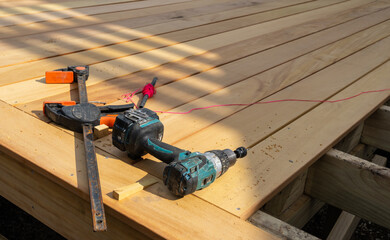
Professional landscapers are well-equipped to handle deck construction and to incorporate the structure into your overall outdoor design. They understand regional climate considerations and can recommend materials that will withstand the elements and require minimal maintenance.
For example, a curved deck edge can mirror the shape of garden beds or water features. This repetition of form creates instant harmony and a unified look. Contact J&R Construction to learn more.
Curved Decks
Curved decks add a sense of elegance to any outdoor space and complement natural yard features. Their soft lines help to integrate the structure into the landscape, and the lack of sharp corners means that curved decks can often yield more usable space than a similar square-shaped structure. Adding a curved deck to your property can enhance its visual appeal and also increase the value of your home.
Building a curved deck requires special attention to site layout, framing, and decking. A professional contractor is essential to ensure that the resulting structure will be safe and structurally sound. The process of adding a curve to a deck includes using radius points and arc templates to define the shape, and then constructing the frame with segmented or laminated joists that follow the arc of the design. Decking boards are then heat-bent or cut to match the arc, and the edges and fasteners must be carefully secured to prevent warping or sagging over time.
Successful curved deck integration relies on echoing the structure’s soft lines in surrounding yard features. This may involve creating curved planting beds that mirror the deck’s perimeter, designing winding pathways to emphasize the gentle movement of the deck, or positioning the deck to frame attractive vistas around existing plants and trees. Incorporating a water feature can further tie the deck and landscaping together, and the rounded shape of a pond or fountain works well with the curve of a curved deck.
A curved deck can also be used to delineate functional spaces on the structure itself, such as a rounded dining area or lounging semi-circle, without requiring walls or railings. The curved edge of the deck can also smoothly transition into a paver patio or concrete walkway, physically and visually linking the materials and establishing a continuous flow of movement from the deck to the yard. A curved deck can also delineate a pathway that leads to other key features, such as a separate fire pit area or backyard gate.
Plantings
Decks don’t exist in isolation; they must work with the surrounding yard, grass, and landscaping to function as a seamless extension of living space. Expert contractors balance aesthetics and functionality to create unified outdoor spaces that complement the home’s architecture and serve its owners’ lifestyle needs. They consider size and shape, material selections, and special features to create a cohesive look that works with natural landscape elements.
Quality proposals include thorough descriptions of project phases, timeline expectations, and material specifications. Review them carefully to ensure the contractor includes all anticipated labor and materials in your project scope. Verify that prospective contractors maintain current Connecticut licensing and carry inclusive insurance coverage appropriate for your project. Contractors with local knowledge of neighborhood architectural standards and construction challenges more efficiently navigate municipal permitting processes, minimizing delays.
Before beginning structural framing, qualified deck builders assess site conditions to ensure optimal results. They evaluate soil stability, drainage patterns, and utility access points. They also observe the natural sun and shade patterns on your property to inform layouts that maximize usable space and improve visual appeal.
Following foundation completion, experienced deck builders install support beams and floor joists. They pay close attention to joist spacing, fastener placement, and board alignment details to ensure lasting structural integrity. They also use a variety of materials, including composite and pressure-treated woods, to match your desired aesthetics and budget.
Landscaping elements like walkways and stairs complement your deck’s layout and add visual appeal. They can also help manage slopes and define dining or lounging areas on your deck. Garden beds, retaining walls, or water features make your deck feel more integrated with the surrounding yard and enhance your backyard’s natural beauty.
Staging a landscape design before constructing your custom deck helps you visualize the entire space and ensures that your vision is fulfilled. During your initial consultation, discuss your desired uses for the space and remain open to professional suggestions. This information helps them integrate your deck and landscape to create a functional, aesthetically pleasing space that you’ll enjoy for years to come.
Lighting
Landscape lighting elevates a backyard deck into an attractive and functional outdoor space for relaxation or entertainment. It also improves safety and visibility, extending the use of the space into the evening hours. West Shire Decks works with experienced landscaping professionals to create a thoughtfully integrated design that seamlessly integrates the deck into the surrounding garden area.
Experts use a wide range of lighting fixtures, colors, and textures to define spaces and enhance the ambiance of a deck. For example, pathway lights guide visitors across curved pathways and stairs, eliminating potential obstacles to safe navigation. Accent lighting highlights built-in planters or decorative features that add dimension to a deck, emphasizing its connection with the natural landscape.
The placement of landscaping features influences the overall flow of a backyard deck, from where people enter and exit to how they navigate the space. Landscaping elements like retaining walls or paths help to define zones on a deck, such as dining or lounge areas. In addition, plantings or water features provide soft dividers that separate one area from another without creating physical barriers.
Landscaping integration also focuses on maintaining continuity between the outdoor space and the home, ensuring that the new deck feels like a natural extension of your home’s exterior. In addition to matching color and texture themes, skilled landscaping professionals use materials that are compatible with the deck construction and architecture. For example, natural wood or composite materials can be combined with perennial plants that complement and highlight the deck’s color palette throughout the year.
Professional deck builders prioritize structural integrity to ensure the long-term performance and stability of your backyard deck. They employ industry standards and precise techniques to prevent common problems like sagging or erosion over time. They also integrate landscaping elements to support the health of the soil and plantings, ensuring that your backyard space is a unified whole.
Experienced landscapers focus on the aesthetic of the entire outdoor space, ensuring that the new deck complements the existing architecture and design details of your home. They are also accustomed to managing multiple aspects of an outdoor project, including coordination with other contractors, such as carpenters or electricians. This approach streamlines the deck construction process and ensures that all aspects of the backyard work together to create a cohesive, aesthetically pleasing, and functional outdoor space.
Maintenance
Professional landscaping firms specialize in outdoor spaces, so they’re well-suited to work with deck builders to produce backyard features that meld seamlessly. Experts in outdoor design, eco-friendly considerations, and ongoing maintenance, landscapers can guide deck construction projects that balance aesthetics and functionality.
The overall operation of a deck is impacted by grading, drainage, and regular lawn care. Neglecting these basics can lead to soil pooling around deck footings, soggy turf beneath elevated structures, and mower damage along deck edges. Correcting these problems ensures that both hardscape and softscape function properly with one another.
Choosing a quality deck builder begins with a thorough site visit and comprehensive evaluation of property conditions. A qualified contractor will assess the soil stability, drainage patterns, and structural attachment points to anticipate any potential challenges and develop cost-effective solutions. Look for proposals that clarify timeline estimates, permit handling procedures, and cleanup protocols. Be cautious of significantly low bids, which may indicate material shortcuts or hidden costs.
When working with a deck builder, be sure to verify that they maintain current Connecticut licensing and carry inclusive insurance coverage. Ask to see proof of general liability and workers’ compensation insurance appropriate for your project scope. Also, prioritize contractors with a demonstrated history of successful projects within your geographic area. Local contractors understand local building codes, neighborhood standards, and weather patterns, and they often establish relationships with suppliers that benefit project budgets and timelines.
A cohesive design creates a seamless transition between the yard and deck, making it easier to navigate and use. Considerations like the direction of deck boards, the shape and layout of stairs, and the way retaining walls or steps echo the terrain help define zones on a deck while creating a more unified design. Adding lighting, planters, or trellises enhances nighttime ambiance and reinforces the sense of continuity between spaces.
Small details make a big difference in the overall appearance and operation of your new deck. By establishing a design theme and using similar materials, your deck and lawn will feel like one continuous space that’s easy to move through and better suited to everything from relaxing and entertaining to everyday enjoyment.